
Can a Dog Live Comfortably with a Torn ACL? What Every Owner Should Know
No, a dog cannot live comfortably with a torn ACL. This injury is extremely painful, causes instability, and leads to arthritis. Without treatment, the dog will continue to suffer. Veterinary care is essential for pain relief and long-term comfort.
Can a Dog Live Comfortably with a Torn ACL? Understanding the Pain and Risks
No, a dog cannot live comfortably with a torn ACL—known medically as a cranial cruciate ligament (CrCL) rupture. These injuries are extremely painful. Imagine a persistent, sharp knee pain that worsens with every step. The joint becomes unstable, bone rubs on bone, and inflammation sets in. Without treatment, the pain continues and often intensifies as arthritis develops.
Many owners wonder if their dog can 'just rest' and be fine. But a torn ACL does not heal on its own. The ligament cannot regenerate. The instability leads to chronic lameness, muscle loss, and progressive joint damage. Over time, the dog may favor the leg, struggle to rise, and show signs of depression or irritability from constant discomfort.
If you suspect a torn ACL, immediate steps are crucial: restrict your dog's activity, prevent jumping, and consult a veterinarian. Early intervention can reduce pain and slow arthritis. At Troy & Heights Animal Hospital, we see these injuries often and can guide you through the best options for your dog's comfort and long-term health.
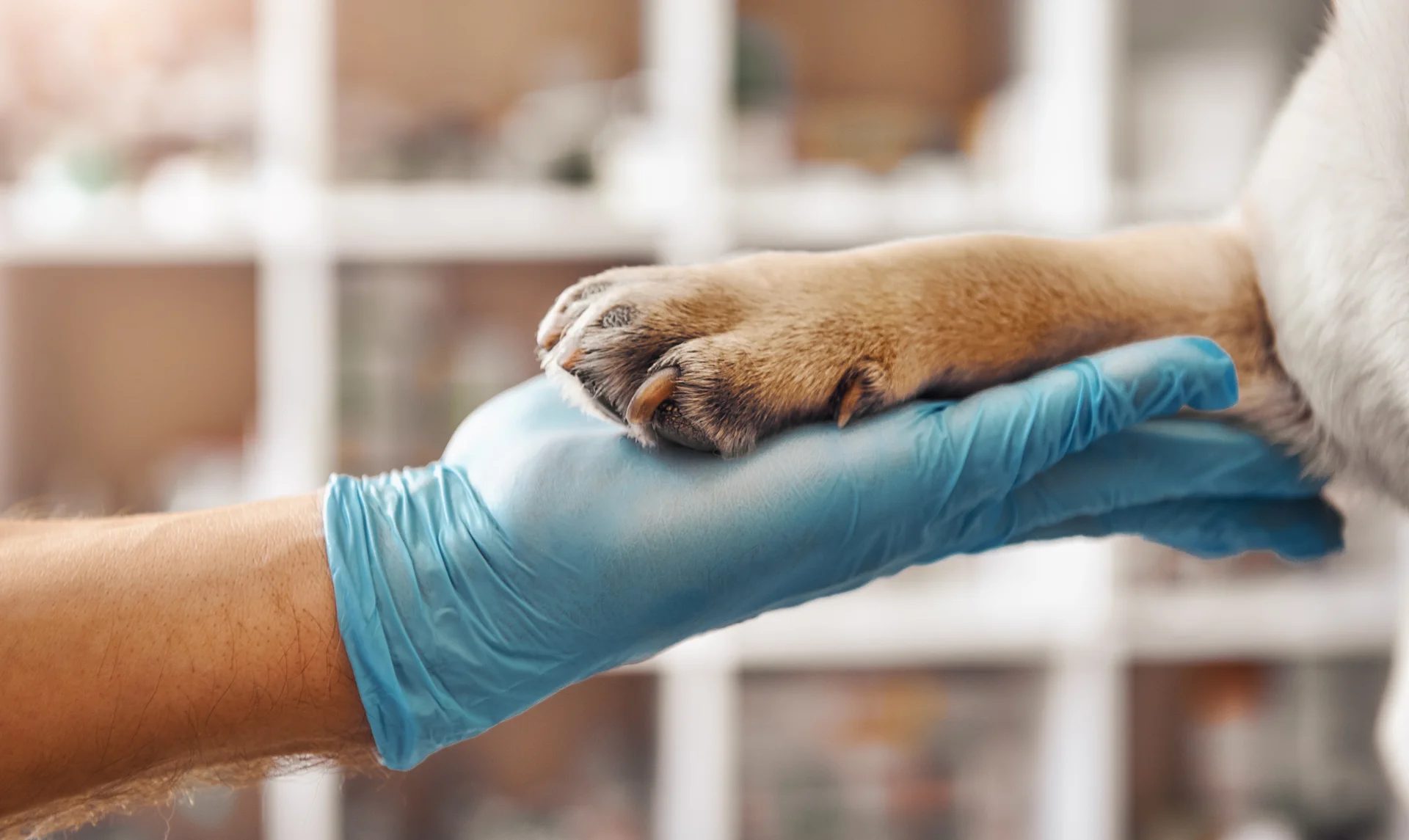
Non-Surgical Options for a Dog's Torn ACL: Braces, Rest, and Home Care
Non-surgical management (conservative treatment) is an option, but it has significant limitations. It may help small, low-activity dogs, but it rarely restores full comfort or stability. Here's what drives the cost and what to expect.
| Factor | Why It Matters | Typical Range |
|---|---|---|
| Vet exam & diagnosis | Confirms the tear and rules out other injuries | $50–$150 (varies) |
| Anti-inflammatory medications | Reduce pain and swelling | $20–$60 per month |
| Joint supplements | Support joint health, slow arthritis | $20–$50 per month |
| Dog knee brace | Provides external support, but not a cure | $100–$500 (varies) |
| Physical therapy | Builds muscle, improves mobility | $50–$150 per session |
| Follow-up visits | Monitor progress, adjust plan | $50–$100 per visit |
Costs vary widely based on your dog's size, the severity of the tear, and your location. For a detailed cost breakdown, see our ACL repair price guide. Non-surgical care can cost hundreds to thousands over time, and many dogs still end up needing surgery.
How to Make Your Dog Comfortable at Home with a Torn ACL
- Restrict activity – Keep your dog on a leash for bathroom breaks only. No running, jumping, or stairs. Crate rest may be needed.
- Use a sling or towel – Support your dog's hindquarters with a towel under the belly when walking to reduce weight on the injured leg.
- Provide a soft, non-slip surface – Place rugs or yoga mats on slippery floors to prevent falls.
- Apply cold therapy – For the first 48 hours, apply an ice pack wrapped in a towel for 10–15 minutes, twice daily, to reduce swelling.
- Give medications as prescribed – Never give human pain relievers. Only use vet-prescribed anti-inflammatories.
- Schedule a vet visit – Home care is temporary. A proper diagnosis and treatment plan are essential. Contact us at (248) 457-1985 to book an exam.
Dog Torn ACL Surgery: Recovery Time, Cost, and What to Expect
Surgery is the most reliable way to restore stability and comfort. Recovery typically takes 8–12 weeks for bone healing, with full return to activity in 4–6 months. Costs vary widely based on the procedure, your dog's size, and location.
| Factor | Why It Matters | Typical Range |
|---|---|---|
| Procedure type | TPLO vs. lateral suture – TPLO is more involved and costly | $1,500–$5,000+ (varies) |
| Pre-op bloodwork & imaging | Ensures safety and confirms the tear | $200–$600 (varies) |
| Anesthesia & monitoring | Essential for safety during surgery | $300–$800 (varies) |
| Post-op medications | Pain relief and antibiotics | $50–$150 (varies) |
| Rehabilitation | Physical therapy to regain strength | $50–$150 per session |
These are general ranges; actual costs vary. We'll provide a detailed estimate after examining your dog. For more, see our cost guide for ACL repair.
Tibial-plateau-leveling osteotomy
Tibial-plateau-leveling osteotomy, commonly called TPLO, is a surgical procedure that stabilizes a dog's knee after a cranial cruciate ligament (CrCL) rupture. In most dogs, the CrCL degenerates over time rather than tearing from a single injury. Genetics, obesity, and conformation all contribute. The surgery involves cutting and rotating the tibial plateau to change the angle of the knee joint, eliminating the need for the torn ligament. This prevents the femur from sliding down the tibia, which reduces pain and slows arthritis. TPLO is one of the most effective treatments for restoring comfort and mobility in active dogs with a torn ACL.
Directions to our veterinarian near me from Barn Church
Start at Barn Church and head to Troy & Heights Animal Hospital at 1985 E Wattles Rd, Suite F, Troy, MI 48085.
Dog ACL Tear vs Sprain: How to Tell the Difference
It's easy to confuse a sprain with a torn ACL, but the urgency and treatment differ. Here's a comparison to help you decide if a vet visit is needed.
| Symptom | Sprain | Torn ACL |
|---|---|---|
| Lameness | Mild, may come and go | Sudden, non-weight-bearing lameness |
| Swelling | Mild, around the joint | Noticeable swelling, often with a 'popping' sensation |
| Pain response | Mild to moderate | Severe pain when the joint is manipulated |
| Stability | Joint feels stable | 'Drawer sign' – the tibia slides forward |
| Healing | Often improves with rest | Does not improve; worsens over time |
If your dog shows any of these signs, especially sudden lameness or inability to bear weight, see a vet promptly. Early diagnosis prevents further damage.
When to See a Vet for a Dog's Torn ACL: Signs You Shouldn't Ignore
- Sudden lameness – If your dog is suddenly limping or holding up a leg, see a vet within 24 hours.
- Inability to bear weight – If your dog won't put any weight on the leg, it's urgent.
- Visible swelling or heat – Swelling around the knee or a warm joint indicates inflammation.
- Pain when touched – If your dog yelps or flinches when you touch the knee, seek care.
- Changes in behavior – Loss of appetite, lethargy, or irritability can signal pain.
If you're in Troy, Sterling Heights, Rochester Hills, Warren, or nearby, we're here. Visit us at 1985 E Wattles Rd, Suite F, Troy, MI 48085, or call (248) 457-1985. We're open Mon–Fri 9 AM–6 PM and Sat 9 AM–3 PM. New clients can claim a free first exam (terms apply).
Why Dogs Often Tear the Second ACL: Prevention and Monitoring
Dogs that tear one ACL are at high risk of tearing the other. Studies suggest that up to 50% of dogs will injure the opposite knee within a year or two. This is because the dog overuses the healthy leg to compensate, and the underlying causes—such as genetics or obesity—affect both knees.
To reduce the risk, maintain a healthy weight, use ramps instead of stairs, and avoid high-impact activities. Regular check-ups can catch early signs. If you notice any lameness in the other leg, don't wait. At Troy & Heights Animal Hospital, we monitor both knees and can recommend preventive strategies. For more on surgical options, see our ACL repair options.
For details on services and visits, see the main page about veterinarian near me.
Sources
Also asked as
- Is a torn ACL painful for dogs?
- Can a dog heal from a torn ACL without surgery?
- How to make a dog comfortable with a torn ACL?
Frequently asked questions
What to do after suspected ACL tear?
Immediately restrict your dog's activity, prevent jumping, and use a towel sling for support. Apply ice to reduce swelling, but do not give human pain medication. Schedule a vet exam within 24 hours for a proper diagnosis and pain management.
How is ACL surgery performed?
The most common surgeries are TPLO (tibial plateau leveling osteotomy) and lateral suture (extracapsular repair). TPLO changes the angle of the tibia to stabilize the joint without relying on the torn ligament. Lateral suture uses a strong suture to mimic the ligament's function. Your vet will recommend the best option based on your dog's size and activity level.
What is the best exercise for ACL recovery?
After surgery, controlled, low-impact exercises are key. Short, leash-walked sessions on flat, non-slip surfaces, swimming (once incisions heal), and physical therapy exercises like passive range-of-motion movements help rebuild strength without stressing the joint. Always follow your vet's rehabilitation plan.
What does a torn ACL look like on MRI?
An MRI shows the ligament's structure and can reveal partial or complete tears, as well as damage to the meniscus (cartilage). It provides a detailed image, but many vets diagnose ACL tears with a physical exam and X-rays, which can show joint instability and arthritis.
What is the pain equivalent to tearing your ACL?
Tearing an ACL in a dog is comparable to a severe knee sprain in a human—sharp, intense pain with instability. The pain is persistent and worsens with movement. Without treatment, chronic arthritis adds to the discomfort.