
Dog Ear Infection Home Remedy Vinegar: Is It Safe and How to Use It
Diluted apple cider vinegar can help mild yeast or bacterial ear infections in dogs, but it's not safe for all cases—especially if the eardrum is ruptured. Always consult your vet first and never use vinegar on broken skin or if you suspect a deep infection.
Is Apple Cider Vinegar a Safe Home Remedy for Dog Ear Infections?
Apple cider vinegar can be a safe and effective home remedy for mild ear infections in dogs when used correctly. Its acidity helps restore the natural pH balance of the ear canal, making it less hospitable to yeast and bacteria. However, it is not a one-size-fits-all solution. If your dog has a ruptured eardrum, deep infection, or severe inflammation, vinegar can cause pain and further damage.
A good fit if…
- Mild, early-stage infection: You've noticed slight redness, odor, or head shaking, and your dog seems otherwise comfortable.
- You can confirm the eardrum is intact: Your vet has recently examined your dog and ruled out a ruptured eardrum.
- You're using it as a preventive rinse: After swimming or bathing, a diluted vinegar rinse can help prevent infections.
Consider another option if…
- You see discharge that looks like coffee grounds: This could indicate ear mites, which need specific treatment.
- Your dog is in obvious pain: Whining, pawing at the ear, or resisting touch suggests a more serious issue.
- There's a foul, sweet, or musty smell: This often signals a yeast or bacterial overgrowth that may need prescription medication.
If you're unsure, start with a vet visit. At Troy & Heights Animal Hospital, we can examine your dog's ears and recommend the safest approach. For more on what to expect during an ear exam, see our [[early-signs-of-ear-infection-in-dogs|guide to early ear infection signs]].
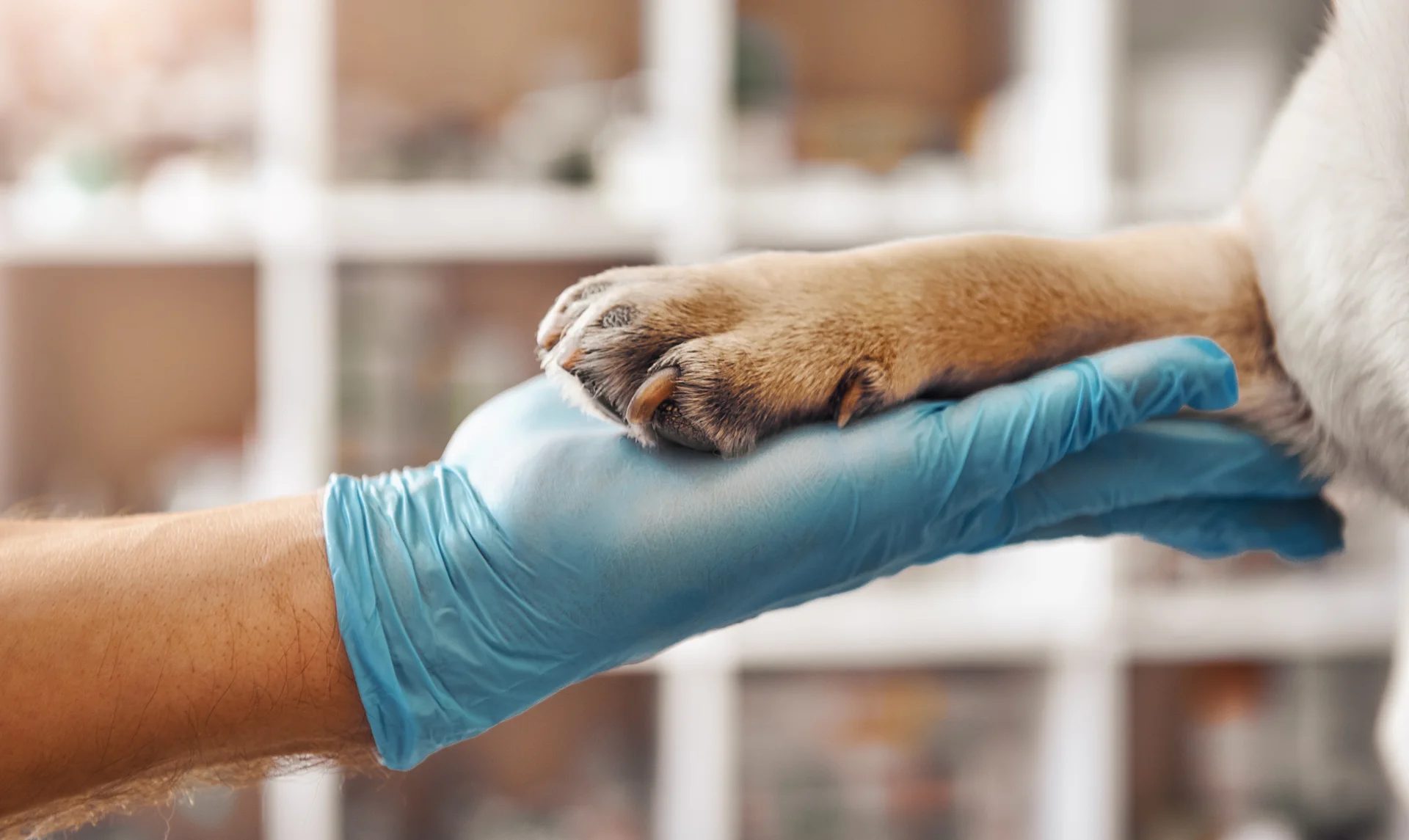

When to See a Vet for Your Dog's Ear Infection (and When Home Remedies Are Safe)
Home remedies like vinegar are only safe for mild, superficial infections. If your dog has a deep infection, a foreign body, or an underlying condition like allergies, home treatment can delay proper care and make things worse. See a vet if you notice any of these warning signs:
See a vet if…
- Pain or distress: Your dog yelps, flinches, or resists when you touch the ear.
- Discharge is thick, bloody, or dark: This suggests a bacterial or yeast infection that needs prescription treatment.
- Head tilt or loss of balance: This could indicate a ruptured eardrum or inner ear infection.
- Redness or swelling that spreads: The ear flap may become hot and swollen.
- No improvement after 2–3 days of home care: If symptoms persist, professional treatment is needed.
Home remedies may be safe if…
- Your dog has had ear infections before and you know the pattern.
- You've already had a vet confirm the eardrum is intact.
- The infection is mild—just slight odor or head shaking.
Ear infections can last 1–2 weeks with proper treatment, but without it, they can become chronic. If you're unsure whether to treat at home or come in, call us at (248) 457-1985. We're open Monday–Friday 9 AM–6 PM and Saturday 9 AM–3 PM. For more on when to seek urgent care, see our [[should-i-take-my-dog-to-an-emergency-vet-for-an-ear-infectio|emergency ear infection guide]].
Homemade Remedies for Yeast Infections in Dog Ears
Yeast infections (Malassezia) are common in dogs with floppy ears or allergies. Symptoms include dark, waxy discharge, a musty or sweet smell, and itching. A diluted vinegar rinse can help, but it's not a substitute for veterinary care if the infection is severe.
- Confirm the type of infection: Yeast infections often respond to vinegar, but bacterial infections may not. If you're unsure, a vet can do a quick cytology test.
- Mix a safe rinse: Combine 1 part apple cider vinegar with 1 part cooled boiled water. This 50:50 mix is gentle and effective.
- Apply with a cotton ball: Soak a cotton ball or gauze, then gently wipe the outer ear and the visible part of the ear canal. Never pour the solution directly into the ear.
- Let your dog shake it out: After wiping, let your dog shake their head to remove excess moisture.
- Dry the ear thoroughly: Use a clean, dry cotton ball to absorb any remaining liquid.
- Repeat once daily for up to 5 days: If symptoms don't improve, stop and see a vet.
For a more detailed look at yeast infections, see our [[malassezia-in-dogs-ears-treatment|Malassezia treatment guide]].
Natural Alternatives to Vinegar for Dog Ear Infections
Vinegar isn't the only natural option, but not all are equally safe or effective. Here's a comparison of common home remedies:
| Remedy | How it works | Safety notes |
|---|---|---|
| Apple cider vinegar | Acidity restores pH, discourages yeast and bacteria | Safe if diluted and eardrum is intact; can sting if inflamed |
| White vinegar | Similar to ACV, but stronger acidity | Must be diluted more (1:3 with water); may be too harsh for sensitive ears |
| Aloe vera | Soothes inflammation and soothes irritated skin | Use pure, alcohol-free gel; not a disinfectant |
| Coconut oil | Has mild antifungal properties | Can trap moisture if used excessively; not for deep ear use |
| Green tea | Contains antioxidants and mild antibacterial properties | Brew and cool; use as a rinse, but not as effective as vinegar |
| Hydrogen peroxide | Can kill bacteria and yeast | Can damage healthy tissue and delay healing; not recommended without vet guidance |
None of these are substitutes for veterinary treatment. If you're considering a natural approach, ask your vet which is best for your dog's specific situation. For more on what kills bacteria in ears, see our [[what-can-be-mistaken-for-an-ear-infection-in-dogs|guide to ear infection look-alikes]].
Apple cider vinegar
Apple cider vinegar is made by fermenting apple juice, first to alcohol and then to acetic acid, which gives it its sour taste and mild antimicrobial properties. It has long been used in cooking and as a household cleaner, and some pet owners use it as a home remedy for ear infections. The acetic acid can help rebalance the pH of the ear canal, making it less friendly to yeast and bacteria. However, there is no strong scientific evidence that it cures infections, and it can be harmful if used incorrectly. For your dog's ear infection, a heavily diluted solution applied only to the outer ear flap may offer some benefit, but it's not a substitute for veterinary care. If you're considering vinegar as a remedy, always check with your vet first to ensure it's safe for your pet's specific situation.
Directions to our veterinarian near me from Nativity of the Virgin Mary Macedonian Orthodox Cathedral
Start at Nativity of the Virgin Mary Macedonian Orthodox Cathedral and head to Troy & Heights Animal Hospital at 1985 E Wattles Rd, Suite F, Troy, MI 48085.
Low-Cost Home Care for Dog Ear Infections When You Can't Afford a Vet
If cost is a concern, you still have options. Home care can help mild infections, but it's important to know when professional treatment is necessary. Here's what drives the cost of ear infection treatment and how to manage it:
| Factor | Why it matters | Typical range |
|---|---|---|
| Vet exam | Diagnosis and eardrum check | Varies by clinic; often $50–$100 |
| Ear cytology | Identifies yeast vs. bacteria | Often included in exam or $20–$50 |
| Prescription ear drops | Targeted treatment | $30–$100 depending on medication |
| Oral medications | For severe or chronic infections | $20–$100+ |
| Follow-up visits | To ensure infection is resolved | Varies |
If you can't afford a vet visit, consider these steps: start with a gentle home rinse (like diluted vinegar), but if symptoms don't improve in 2–3 days, seek help. Some clinics offer payment plans or discounted first exams. At Troy & Heights Animal Hospital, new clients can claim a free first exam (terms apply). Call (248) 457-1985 to ask about options. For more on managing costs, see our [[what-do-vets-do-if-you-can-t-pay|guide to vet costs when money is tight]].
Step-by-Step: How to Clean Your Dog's Ears with Apple Cider Vinegar
Cleaning your dog's ears with vinegar can be done at home, but you must follow the right steps to avoid harm. Here's a safe method:
- Gather supplies: You'll need apple cider vinegar, cooled boiled water, cotton balls or gauze, and a towel.
- Mix the solution: Combine equal parts apple cider vinegar and cooled boiled water in a clean cup.
- Test the temperature: The solution should be lukewarm, not cold or hot.
- Apply to the outer ear: Soak a cotton ball, then gently wipe the outer ear flap and the visible part of the ear canal. Do not pour the solution into the ear.
- Let your dog shake: After wiping, allow your dog to shake their head to remove any excess liquid.
- Dry thoroughly: Use a dry cotton ball to absorb remaining moisture, then reward your dog with a treat.
If your dog shows signs of pain or discomfort, stop immediately and contact a vet. For a professional ear cleaning, visit us at Troy & Heights Animal Hospital. We're located at 1985 E Wattles Rd, Suite F, Troy, MI 48085. For more on ear cleaning, see our [[early-signs-of-ear-infection-in-dogs|early signs guide]].
Why Do Dogs Get Ear Infections? Understanding Causes and Prevention
Ear infections (otitis externa) are common in dogs because of their ear anatomy—the vertical and horizontal canals create a warm, dark environment that traps moisture and debris. Here's what you can do to prevent them:
- Keep ears dry: After swimming or bathing, dry your dog's ears with a cotton ball to prevent moisture buildup.
- Clean regularly: Use a vet-approved ear cleaner weekly, especially for breeds with floppy ears.
- Manage allergies: Atopic dermatitis and food allergies are leading causes of ear infections. Work with your vet to identify triggers.
- Avoid over-cleaning: Too much cleaning can irritate the ear canal and strip protective oils.
- Check for foreign bodies: Grass seeds or debris can cause infections; check after walks in fields.
- Treat underlying conditions: Hypothyroidism or immune disorders can make infections recurrent.
If your dog has frequent ear infections, a vet visit is essential to find the root cause. At Troy & Heights Animal Hospital, we offer comprehensive ear exams and treatment plans. For more on what causes infections, see our [[what-can-be-mistaken-for-an-ear-infection-in-dogs|guide to ear infection look-alikes]].
For details on services and visits, see the main page about veterinarian near me.
Sources
Also asked as
- Can I put vinegar in my dog's ear for infection?
- Is apple cider vinegar safe for dog ear infections?
- How to treat dog ear infection with vinegar
Frequently asked questions
Can you use apple cider vinegar to treat a dog's ear infection?
Yes, diluted apple cider vinegar can help treat mild yeast or bacterial ear infections by restoring pH balance. However, it's only safe if the eardrum is intact and the infection is superficial. Always consult your vet first.
How long do ear infections last in dogs?
With proper treatment, most ear infections resolve within 1–2 weeks. Without treatment, they can become chronic and lead to more serious issues like a ruptured eardrum or inner ear infection.
Can I use human ear drops on my dog?
No, human ear drops are not safe for dogs. They may contain ingredients that are toxic to pets or that can damage the ear canal. Always use veterinary-prescribed medications.
What are some homemade remedies for smelly dog ears?
A diluted vinegar rinse (50:50 with water) can help neutralize odor and fight yeast. Coconut oil and green tea rinses are also used, but they're less effective. If the smell persists, see a vet.
What kills yeast in dogs' ears naturally?
Apple cider vinegar is a natural antifungal that can help kill yeast when diluted. Other options include coconut oil and green tea, but they're not as potent. For stubborn yeast, prescription antifungals are needed.