
What Does a Pet Wellness Exam Include? A Complete Guide
A pet wellness exam includes a thorough physical assessment from nose to tail, a review of your pet's medical history, discussions about nutrition and lifestyle, and often routine lab tests like a complete blood count (CBC), biochemistry profile, urinalysis, and fecal exam to screen for hidden conditions.
What Does a Pet Wellness Exam Include? A Complete Breakdown
A pet wellness exam is a preventive healthcare visit designed to catch problems early and keep your dog or cat in optimal health. Unlike a sick visit, which focuses on a specific issue, a wellness exam evaluates your pet's overall well-being. Here's what a typical wellness exam includes:
- Medical history review — Your vet will ask about your pet's diet, exercise, behavior, and any changes since the last visit.
- Thorough physical assessment — From nose to tail, your vet checks your pet's body condition, skin, coat, eyes, ears, mouth, heart, lungs, abdomen, and joints.
- Vital signs measurement — This includes measuring its weight, pulse, and rate of breathing, plus temperature.
- Vaccination updates — Based on your pet's lifestyle and risk, your vet will recommend core and non-core vaccines.
- Parasite prevention — Your vet will discuss and prescribe preventives for heartworm disease, intestinal parasites, fleas, and ticks.
- Dental health assessment — Your vet examines your pet's teeth and gums for signs of dental disease and may recommend a dental cleaning.
- Nutritional counseling — Your vet evaluates your pet's weight and body condition, offering feeding advice tailored to age and activity level.
- Routine lab tests — Depending on age and risk, your vet may recommend bloodwork, a urinalysis, and a fecal exam to screen for hidden conditions.
- Behavioral and lifestyle discussion — Your vet addresses concerns like anxiety, house training, or changes in activity.
At Troy & Heights Animal Hospital in Troy, MI, we offer comprehensive wellness exams for pets in Troy, Sterling Heights, Rochester Hills, Warren, Madison Heights, Berkley, and Birmingham. Our team takes the time to answer your questions and build a personalized prevention plan.


The Nose-to-Tail Physical Exam: What Your Vet Checks
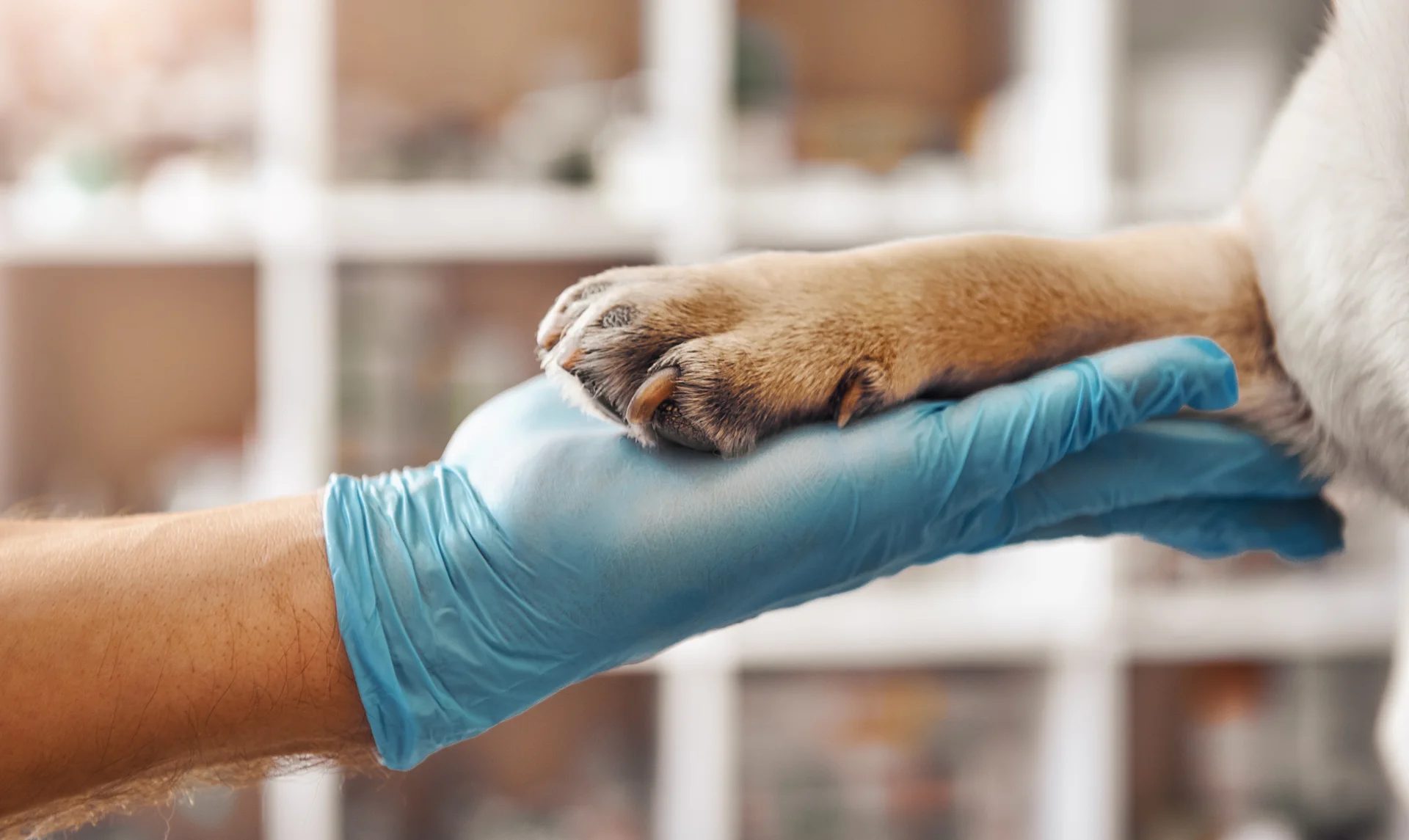
The physical exam is the core of a wellness visit. Here's what happens during this hands-on assessment:
- Weight and vital signs — Your vet measures your pet's weight, temperature, pulse, and respiratory rate to establish baselines.
- Head and ears — Your vet inspects the eyes for redness or discharge, ears for infection or mites, and the mouth for dental disease or lesions.
- Skin and coat — A look at the skin for lumps, rashes, parasites, or hair loss helps detect allergies, infections, or hormonal issues.
- Heart and lungs — Using a stethoscope, your vet listens for murmurs, arrhythmias, or abnormal lung sounds.
- Abdomen and lymph nodes — Palpation checks for organ enlargement, pain, or masses.
- Joints and mobility — Your vet evaluates your pet's gait and manipulates joints to assess for arthritis or injuries.
This thorough physical assessment is crucial for detecting issues early. If your pet has a specific concern like a limp or a lump, we may recommend further diagnostics like imaging. For more on advanced diagnostics, see our pet diagnostics and imaging page.
Routine Lab Tests: Bloodwork, Urinalysis, and Fecal Exams
Routine lab tests are a key part of a wellness exam, especially for senior pets or those with chronic conditions. These screenings can catch problems before symptoms appear.
| Test | What It Screens For | How It's Done | When Recommended |
|---|---|---|---|
| Complete blood count (CBC) | Anemia, infection, inflammation, blood clotting disorders | Blood draw | Annually for adults; more often for seniors |
| Biochemistry profile | Kidney and liver function, blood sugar, electrolyte balance | Blood draw | Annually; more often for seniors or pets on medication |
| Urinalysis | Urinary tract infections, kidney disease, diabetes | Urine sample | Annually; more often for seniors or pets with urinary issues |
| Fecal exam | Intestinal parasites like roundworms, hookworms, giardia | Fecal sample | Annually; more often for puppies/kittens or pets with diarrhea |
| Heartworm test | Heartworm disease | Blood draw | Annually, especially in mosquito-prone areas |
| Thyroid test | Hypothyroidism or hyperthyroidism | Blood draw | For middle-aged to senior pets |
At our in-house lab, we can run these tests quickly, often while you wait. This allows us to discuss results and next steps during your visit. For more on our lab capabilities, visit our in-house diagnostics page.
How Often Does Your Pet Need a Wellness Exam?
The frequency of wellness exams depends on your pet's age, species, and health status. Here's a general guide:
A good fit if…
- Puppies and kittens — They need exams every 3–4 weeks until about 16 weeks old for vaccinations and growth checks.
- Adult pets (1–7 years) — Annual exams are usually sufficient for healthy pets.
- Senior pets (7+ years) — Twice-yearly exams are recommended because age-related conditions can progress quickly.
- Pets with chronic conditions — More frequent visits may be needed to monitor and adjust treatment.
Consider another option if…
- Your pet is showing signs of illness — In that case, schedule a sick visit rather than waiting for the next wellness exam.
- You're on a tight budget — Some clinics offer wellness packages that bundle exams and tests at a lower cost than individual services.
Your vet can help you decide the best schedule based on your pet's specific needs. For more on what to expect at your first visit, see our first vet visit guide.
Directions to our veterinarian near me from Caswell House
Start at Caswell House and head to Troy & Heights Animal Hospital at 1985 E Wattles Rd, Suite F, Troy, MI 48085.
Questions Your Vet Will Ask About Your Pet's Daily Life
To provide the best care, your vet will ask about your pet's lifestyle and habits. Here are common questions to expect:
- Diet — What food do you feed, how much, and how often? Any recent changes in appetite?
- Water intake — Is your pet drinking more or less than usual?
- Elimination — Any changes in urination or bowel movements? Any accidents in the house?
- Activity level — Is your pet as active as usual? Any stiffness or reluctance to exercise?
- Behavior — Any new anxiety, aggression, or changes in sleep patterns?
- Travel and exposure — Has your pet been boarded, groomed, or exposed to other animals recently?
Being prepared with this information helps your vet spot trends and catch problems early. If you have concerns about your pet's behavior, don't hesitate to bring them up.
How to Prepare for Your Pet's Wellness Exam
A little preparation makes the visit smoother and more productive. Here's what to do:
- Bring medical records — If you're a new client, bring any previous vaccination or health records.
- Collect a fecal sample — If your vet requested one, bring a fresh sample (within 12 hours) in a sealed container.
- Fast if needed — Some blood tests require fasting for 8–12 hours, but check with your vet first.
- List your questions — Write down any concerns you want to discuss, from diet to behavior.
- Arrive early — Give yourself time to fill out paperwork and let your pet acclimate.
If you're a new client, you can claim a free first exam (terms apply). Call us at (248) 457-1985 to schedule. We're open Mon–Fri 9 AM–6 PM and Sat 9 AM–3 PM. Visit us at 1985 E Wattles Rd, Suite F, Troy, MI 48085.
How Much Does a Pet Wellness Exam Cost?
The cost of a wellness exam varies widely based on your location, the clinic, and what's included. Here's what typically affects the price:
| Factor | Why It Matters | Typical Range (General) |
|---|---|---|
| Exam fee | Base cost for the veterinarian's time and expertise | $40–$100, varies |
| Vaccinations | Core vaccines are often recommended; non-core may be extra | $15–$50 per vaccine, varies |
| Lab tests | CBC, biochemistry profile, urinalysis, fecal exam add to the total | $50–$200, varies |
| Parasite preventives | Heartworm, flea, and tick preventives are often prescribed | $10–$50 per month, varies |
| Additional diagnostics | If issues are found, imaging or other tests may be recommended | Quoted separately |
At Troy & Heights Animal Hospital, we believe in transparent pricing. We'll provide a detailed estimate before any additional services. For more on what affects vet visit costs, see our average vet visit cost guide.
Wellness Plans vs. Standalone Exams: What's the Difference?
A wellness plan is a subscription-based package that bundles preventive services for a monthly or annual fee. A standalone exam is a one-time visit. Here's how they compare:
| Aspect | Standalone Exam | Wellness Plan |
|---|---|---|
| Cost structure | Pay per visit | Monthly or annual fee |
| Included services | Exam only; add-ons extra | Exam, vaccines, lab tests, often discounts on other services |
| Predictability | Varies each visit | Fixed cost, easier to budget |
| Compliance | May skip visits if busy | Encourages regular checkups |
| Best for | Healthy pets with low needs | Pets needing regular care or owners who want all-inclusive |
Wellness plans can be a good value if your pet needs multiple services per year. However, they may include services you don't need. Compare the coverage to your pet's actual needs before committing. For more on what's included in a wellness exam, refer to the sections above.
For details on services and visits, see the main page about veterinarian near me.
Sources
Also asked as
- What is included in a wellness exam for dogs and cats?
- What happens during a routine vet checkup?
- What does a full physical exam for a pet cover?
Frequently asked questions
What is a wellness plan for pets?
A wellness plan is a preventive care package that bundles services like exams, vaccinations, and lab tests for a monthly or annual fee. It can make routine care more affordable and predictable, but it's only worthwhile if you use the included services.
What all is included in a wellness exam?
A wellness exam includes a thorough physical assessment, medical history review, vital signs measurement, vaccination updates, parasite prevention discussion, dental health check, nutritional counseling, and often routine lab tests like CBC, biochemistry profile, urinalysis, and fecal exam.
How often do cats get checkups?
Healthy adult cats should have a wellness exam at least once a year. Senior cats (7+ years) and kittens may need more frequent visits—every 6 months or as recommended by your vet.
At what age is a cat considered old?
Cats are generally considered senior at around 7 to 10 years of age. However, this can vary by breed and individual health. Older cats benefit from more frequent wellness exams to catch age-related issues early.
What is the silent killer of cats?
Chronic kidney disease is often called a silent killer in cats because symptoms may not appear until significant damage has occurred. Routine bloodwork and urinalysis during wellness exams can detect it early, allowing for management that extends quality of life.