
Early Signs of Ear Infection in Dogs: Symptoms, Causes & Next Steps
Early signs of ear infection in dogs include persistent scratching or pawing at the ears, head shaking, redness, swelling, and a waxy or foul-smelling discharge. If you notice these, seek veterinary care promptly.
Early Signs of Ear Infection in Dogs: What to Watch For
Ear infections are painful, and dogs often show subtle signs before the condition worsens. Here are the earliest symptoms to watch for:
- Scratching or pawing at the ear – Your dog may repeatedly scratch the ear or rub it along the floor or furniture.
- Head shaking – Frequent, vigorous head shaking is a classic sign of ear discomfort.
- Redness or swelling – The inner ear flap or canal may look red, inflamed, or swollen.
- Discharge – Look for a brown, yellow, or black waxy discharge, which may have a foul odor.
- Odor – A yeasty or musty smell from the ear is common, especially with yeast infections.
- Sensitivity to touch – Your dog may flinch, whine, or pull away when you touch the ear area.
- Head tilt or balance issues – A head tilt, lack of balance, or unusual back-and-forth eye movements can indicate a deeper infection or inner ear involvement.
If your dog shows any of these signs, especially persistent scratching, head shaking, or a black discharge, it's time to see a vet. Early treatment is easier on your dog and your wallet.




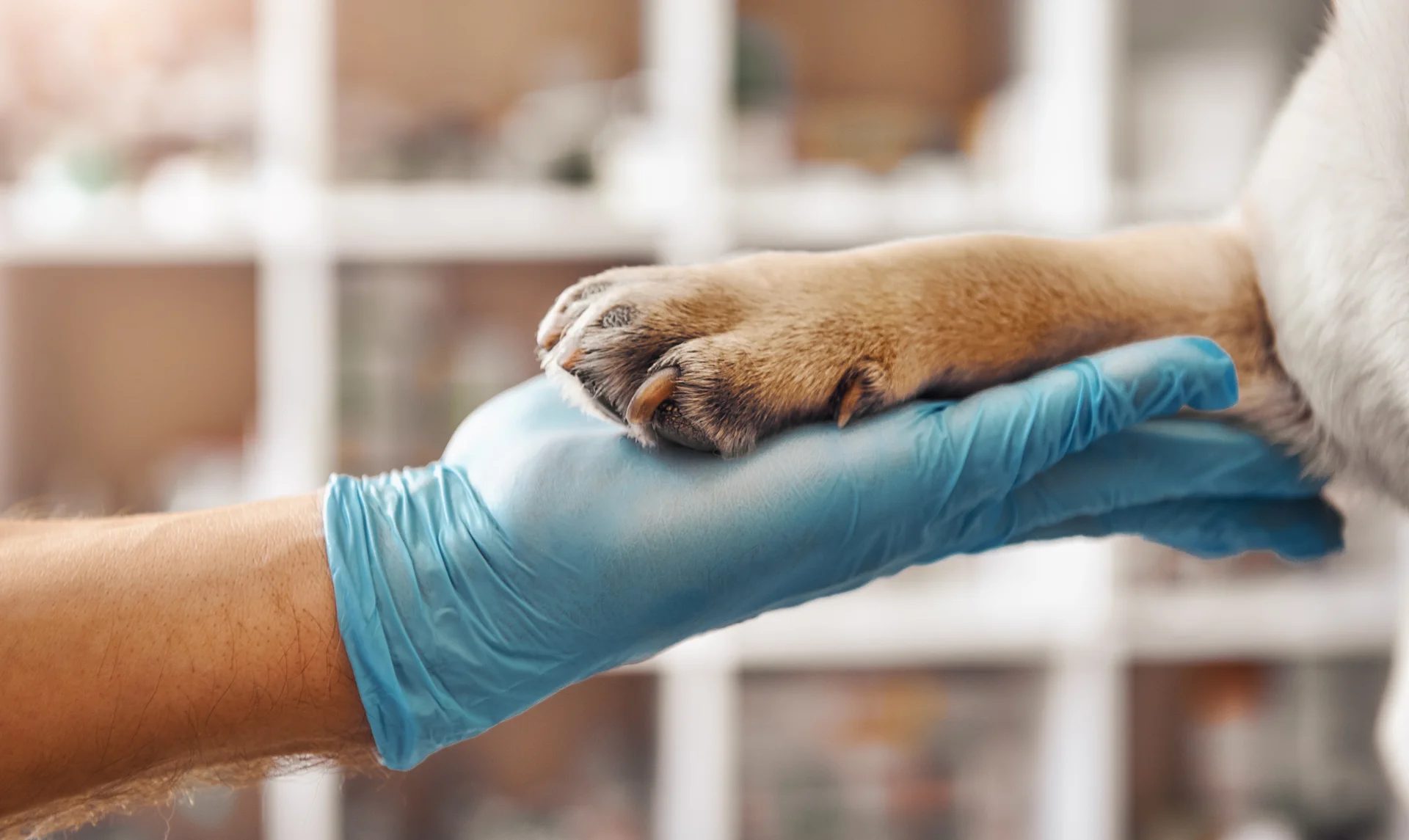
Diagnosis and Treatment of Dog Ear Infections: What to Expect at the Vet
At the vet, diagnosing an ear infection involves a thorough ear exam, often using an otoscope to look deep into the canal. Your vet may also take a sample of the discharge for cytology to identify whether the infection is bacterial, yeast, or a mix. This guides the right treatment.
Treatment typically includes professional ear cleaning and topical or oral medications, such as antibiotics, antifungals, or steroids. In chronic or severe cases, surgery may be needed, but most infections resolve within one to two weeks.
| Cost Factor | Why It Matters | Typical Range |
|---|---|---|
| Office exam | Covers the vet's evaluation and otoscope exam | $50–$100, varies |
| Cytology | Microscopic analysis to identify the cause | $25–$50, varies |
| Ear cleaning | Professional flush to remove debris and infection | $50–$150, varies |
| Medications | Drops, ointments, or oral drugs | $30–$100+, varies |
| Follow-up visit | Ensures the infection is cleared | $50–$100, varies |
Most dogs respond well to treatment. Untreated infections can lead to chronic issues or even deafness, so prompt care is key. For more on what a wellness exam includes, see what a pet wellness exam includes.
What to Do If You Suspect a Dog Ear Infection: Vet Care and Home Steps
- Do not treat at home without guidance – Over-the-counter ear drops may worsen the infection or delay proper care. Some contain ingredients that are unsafe for dogs.
- Call your vet – If you notice signs like scratching, head shaking, or discharge, call us at (248) 457-1985. We can advise if you need an appointment or if it's urgent.
- Keep the ears dry – Gently dry your dog's ears after baths or swimming, but avoid inserting anything into the canal.
- Prevent scratching – Use an Elizabethan collar if your dog is scratching excessively, to avoid trauma or an ear hematoma.
- Bring your dog in for an exam – A vet will diagnose the type of infection and prescribe the right treatment, which may include cleaning, medication, and addressing underlying causes like allergies.
- Follow up – Complete the full course of medication and return for a recheck if recommended, to ensure the infection is fully resolved.
If you're concerned about costs, we offer a free first exam for new clients (terms apply), and we can discuss payment options. For more on managing costs, see what vets do if you can't pay.
Why Do Dogs Get Ear Infections? Causes and Breed Predisposition
Ear infections in dogs are often secondary to other issues like allergies, moisture, or ear anatomy. Some breeds are more prone due to floppy ears or narrow ear canals.
| Cause | Why It Happens | Breeds at Higher Risk |
|---|---|---|
| Allergies | Food or environmental allergies cause inflammation, leading to infection | Golden Retrievers, Labradors, and many others |
| Moisture | Water trapped in the ear canal promotes bacterial and yeast growth | Swimmers, dogs with hairy ears |
| Ear anatomy | Floppy ears or narrow canals trap wax and debris | Cocker Spaniels, Basset Hounds, Poodles |
| Ear mites | Parasites cause intense itching and inflammation | Puppies, outdoor cats and dogs |
| Foreign bodies | Grass seeds or debris can lodge in the ear | Active dogs, hunting breeds |
| Underlying skin conditions | Conditions like seborrhea or autoimmune disease | Various |
If your dog has recurrent ear infections, your vet will look for the root cause, not just treat the infection. This may involve allergy testing or dietary changes.
Otitis externa
Otitis externa is an inflammation of the outer ear canal, the tube that runs from the eardrum to the outside of the head. It's often triggered by moisture, allergies, or trauma, leading to pain, swelling, and sometimes a discharge. While it can affect any dog, those with floppy ears or narrow canals are more susceptible. If you notice your dog scratching its ears or shaking its head, it could be an early sign of otitis externa, and prompt care can prevent it from becoming chronic.
Directions to our veterinarian near me from Columbia Center
Start at Columbia Center and head to Troy & Heights Animal Hospital at 1985 E Wattles Rd, Suite F, Troy, MI 48085.
Ear Infection or Something Else? How to Tell the Difference
Several conditions can mimic an ear infection, so it's important to know the difference.
| Symptom | Ear Infection | Other Possible Cause |
|---|---|---|
| Head shaking | Common, often with discharge | Ear mites, foreign body, allergies |
| Scratching ears | Frequent, persistent | Allergies, skin infections, mites |
| Redness | Inside the ear flap or canal | Trauma, contact irritation |
| Discharge | Waxy, brown, yellow, or black | Ear mites (coffee-ground like), foreign body |
| Head tilt | Possible with inner ear infection | Neurological issues, injury |
If you're unsure, a vet exam is the safest way to know. For a deeper look, see what can be mistaken for an ear infection.
Preventing Ear Infections in Dogs: Tips for Healthy Ears
- Keep ears dry – After baths or swimming, gently dry your dog's ears with a cotton ball.
- Clean regularly – Use a vet-approved ear cleaner as directed, especially for breeds prone to infections.
- Manage allergies – Work with your vet to control food or environmental allergies.
- Check ears weekly – Look for redness, odor, or discharge early.
- Avoid over-cleaning – Too much cleaning can irritate the ear canal.
For more on home remedies, see dog ear infection home remedy vinegar.
For details on services and visits, see the main page about veterinarian near me.
Sources
Also asked as
- How do I know if my dog has an ear infection?
- What are the first signs of a dog ear infection?
- What does a dog ear infection look like?
Frequently asked questions
What can be mistaken for an ear infection?
Ear mites, allergies, foreign bodies, and skin infections can cause similar symptoms like scratching and head shaking. A vet exam can tell the difference.
What is otitis externa in dogs?
Otitis externa is inflammation of the outer ear canal. It's the most common type of ear infection in dogs and can be caused by bacteria, yeast, or parasites.
Can an ear infection cause deafness in dogs?
Yes, if left untreated, chronic or severe ear infections can damage the ear canal or eardrum, leading to hearing loss. Early treatment prevents this.
What are the common bacterial infections in dogs?
Common bacterial ear infections include Staphylococcus and Pseudomonas. These often occur secondary to allergies or moisture and require specific antibiotics.
How does a dog act when they have an ear infection?
Dogs may scratch or paw at their ears, shake their head, tilt their head, or show sensitivity when touched. They might also whine or seem restless.