
When to Take Your Puppy for Their First Vet Visit: Age, Cost & Checklist
Take your puppy for their first vet visit at around 6 to 8 weeks of age, or as soon as you bring them home. They'll need a series of vaccinations every 3-4 weeks until about 16 weeks old, so early and regular visits are key.
When to Schedule Your Puppy's First Vet Visit
The ideal time for a puppy's first vet visit is between 6 and 8 weeks of age. If you've just brought home an older puppy, schedule the appointment as soon as possible—even if they seem healthy.
- Call right away—As soon as you get your puppy, call a trusted vet like Troy & Heights Animal Hospital to book the first exam. Early scheduling ensures you get a slot before the puppy's next vaccine due date.
- Bring any records—If the breeder or shelter gave you vaccination records, deworming history, or a health certificate, bring them. This helps the vet know what's already been done.
- Prepare a stool sample—A fresh fecal sample (within 12 hours) lets us check for intestinal parasites, which are common in puppies.
- Write down questions—Note anything about feeding, behavior, or house training so you don't forget during the visit.
- Plan for a series of visits—Your puppy will need booster shots every 3–4 weeks until about 16 weeks old, so the first visit is just the start.
If you're in Troy, Sterling Heights, Rochester Hills, or nearby, our team at Troy & Heights Animal Hospital is here to guide you through every step of your puppy's health journey.
What to Expect at Your Puppy's First Vet Appointment
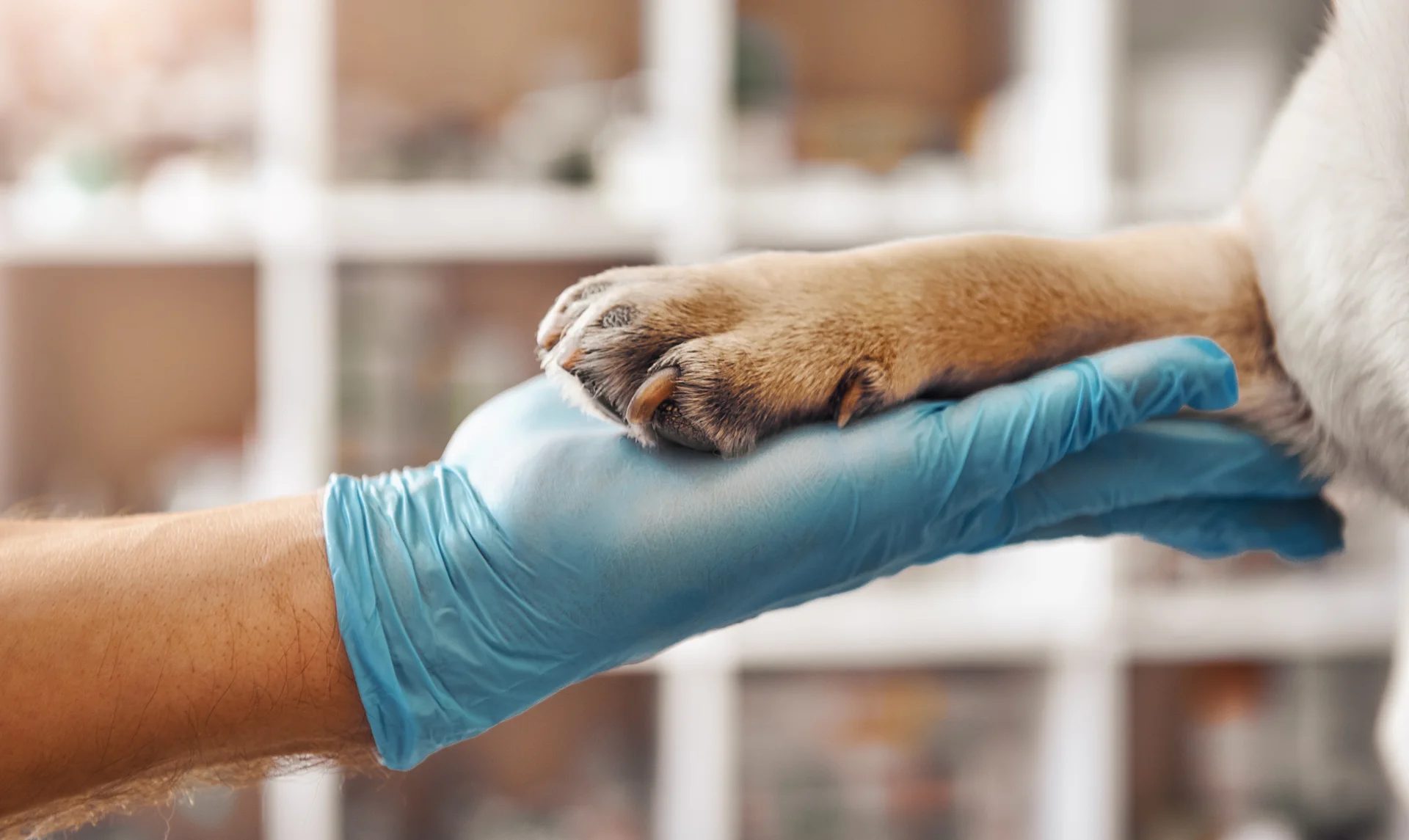
At the first visit, the vet will perform a thorough nose-to-tail exam to assess your puppy's overall health and start their vaccination schedule. Here's what typically happens:
- Physical exam—The vet checks your puppy's eyes, ears, mouth, skin, heart, lungs, and abdomen, and looks for any congenital issues.
- Weigh your puppy—We'll record your puppy's weight to track growth and calculate accurate medication and vaccine doses.
- Vaccinations—Core shots like the distemper vaccine and parvovirus vaccine are given, with boosters scheduled every 3–4 weeks.
- Fecal exam—A stool sample is checked for worms and other parasites; deworming may be prescribed.
- Heartworm prevention—We'll discuss starting heartworm prevention, which is crucial in Michigan.
- Microchipping—If your puppy isn't already microchipped, we can do it during this visit for permanent identification.
- Nutrition and care advice—You'll get personalized guidance on feeding, house training, and puppy socialization.
This first visit is also your chance to ask anything about raising a happy, healthy puppy. For more details on what to expect, see our guide on what to expect at your first vet visit.
Puppy First Vet Visit Checklist: What to Bring
Being prepared makes the first vet visit smooth and stress-free. Here's what to pack:
- Medical records—Any vaccination history, deworming records, or health certificates from the breeder or shelter.
- Fresh stool sample—Collect a small amount (about a teaspoon) in a sealed bag or container, ideally within 12 hours of the appointment.
- Your puppy on a leash or in a carrier—This keeps them safe and secure in the clinic.
- A favorite treat or toy—Helps your puppy feel comfortable and creates positive associations.
- A list of questions—Write down anything about feeding, behavior, or care so you don't forget.
- Pee pads or paper towels—Accidents happen; being ready shows you're a thoughtful pet parent.
If you're in the Troy area, you can call us at (248) 457-1985 to book your puppy's first visit. We're open Monday through Friday 9 AM–6 PM and Saturday 9 AM–3 PM.
Puppy Vet Visit Schedule: How Often They Need Checkups
Puppies often require multiple vet visits in their first year. Here's a typical schedule for vaccinations and wellness exams:
| Age | Purpose | Key Vaccines/Procedures |
|---|---|---|
| 6–8 weeks | First exam and initial vaccines | Distemper, parvovirus, deworming, fecal exam |
| 10–12 weeks | Booster shots and continued wellness | Second round of core vaccines, heartworm prevention start |
| 14–16 weeks | Final puppy boosters | Rabies vaccine, final distemper/parvovirus booster |
| 6 months | Spay/neuter consultation | Pre-surgical exam, bloodwork if needed |
| 1 year | Adult wellness exam | Annual vaccines, comprehensive physical |
This schedule can vary based on your puppy's health and lifestyle. We'll create a personalized plan at your first visit.
Directions to our veterinarian near me from Columbia Center
Start at Columbia Center and head to Troy & Heights Animal Hospital at 1985 E Wattles Rd, Suite F, Troy, MI 48085.
Should You Visit the Vet Before Getting Your Puppy?
A good fit if…
- You're adopting from a shelter or rescue and want a health assessment before bringing the puppy home.
- You're buying from a breeder and want to verify the puppy's health and vaccination status.
- You have other pets at home and need advice on introducing a new puppy safely.
Consider another option if…
- You're already committed to taking the puppy to the vet immediately after bringing them home.
- The breeder or shelter provides comprehensive health records and a recent vet exam.
If you're unsure, a quick call to our team at Troy & Heights Animal Hospital can help you decide. We're happy to discuss your situation before you commit to a puppy.
Cost of a Puppy's First Vet Visit: What to Expect
The cost of a puppy's first vet visit varies based on location, the clinic, and what's included. Generally, you can expect a range of $50–$100 for the exam fee alone, with vaccines and tests adding more.
| Factor | Why It Matters | Typical Range |
|---|---|---|
| Exam fee | Covers the physical exam and consultation | $50–$100 |
| Vaccines | Core shots like distemper and parvovirus | $20–$50 each |
| Fecal exam | Checks for intestinal parasites | $25–$50 |
| Deworming | Treats common puppy worms | $15–$30 |
| Microchipping | Permanent ID, often optional | $40–$60 |
At Troy & Heights Animal Hospital, we offer a free first exam for new clients (terms apply). Call (248) 457-1985 to ask about our current pricing and packages.
Walking Your Puppy Before Vaccinations: What's Safe?
A good fit if…
- You carry your puppy in your arms or a sling in public areas to avoid contact with the ground.
- You stick to your own fenced yard, which is lower risk.
- You invite fully vaccinated, healthy adult dogs to your home for supervised play.
Consider another option if…
- You plan to walk your puppy on sidewalks or parks where other dogs roam—this is risky before full vaccination.
- Your area has a high rate of parvovirus, which is common in Michigan.
Puppy socialization is essential, but safety comes first. Ask your vet about safe ways to socialize your puppy before they're fully protected. We're happy to guide you at your first visit.
Sources
Also asked as
- What age should a puppy have its first vet visit?
- When should I take my new puppy to the vet?
- How soon after getting a puppy should they see a vet?
Frequently asked questions
Can I take my 9 week old puppy for a walk outside?
It's risky because your puppy isn't fully vaccinated yet. Parvovirus and other diseases can be picked up from the ground. Carry your puppy in public areas or stick to your own yard until they've completed their vaccine series.
What month is hardest with a puppy?
Many owners find the first few weeks (around 8–12 weeks) the hardest due to house training, teething, and lack of sleep. But with a consistent routine and early vet guidance, it gets easier.
What is the 7 7 7 rule for puppies?
It's a guideline for socialization: within 7 days, take your puppy to 7 new places and meet 7 new people. Always prioritize safety—ask your vet about safe socialization before full vaccination.
Can my dog eat before going to the vet?
Yes, your puppy can eat a normal meal before a routine visit. However, if bloodwork is planned, your vet may ask you to fast for 8–12 hours. Always follow your vet's specific instructions.
Can a puppy go 12 hours without food at night?
Puppies under 6 months should not go more than 8–10 hours without food. If your puppy sleeps through the night, that's fine, but ensure they get enough meals during the day. Discuss a feeding schedule with your vet.